Snoring vs Sleep Apnea: When an ENT Doctor Should Be Consulted

Snoring vs Sleep Apnea - When an ENT Doctor Should Be Consulted

Snoring vs Sleep Apnoea – When Should You Be Concerned?

Snoring is often brushed off as a harmless annoyance, yet it can sometimes signal a deeper sleep-related breathing issue. As an ENT doctor, I regularly see patients who assume their snoring is normal, only to discover an underlying airway problem that requires proper medical attention. Understanding the difference between simple snoring and sleep apnoea is essential because one is mainly disruptive, while the other can affect long-term health.

This article explains how snoring and sleep apnoea differ, why the distinction matters medically, and when it is sensible to consult an ENT specialist. The goal is to help you recognise warning signs early and make informed decisions about assessment and treatment.

Snoring vs obstructive sleep apnoea: what’s actually different?

What is snoring in clinical terms

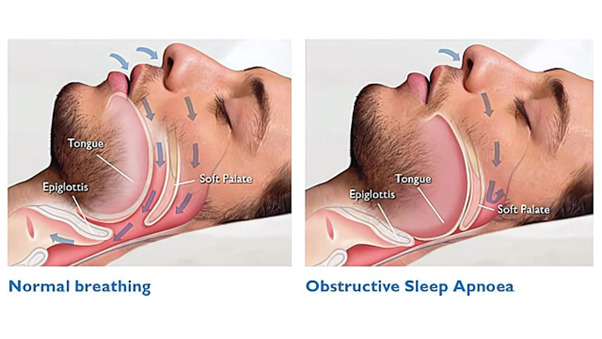
Snoring occurs when airflow through the upper airway becomes partially restricted during sleep. As air passes through narrowed spaces, soft tissues such as the soft palate and throat vibrate, producing sound. In many people, snoring is intermittent and does not significantly disturb breathing or oxygen levels.

What obstructive sleep apnoea really means

Obstructive sleep apnoea is a sleep disorder in which the upper airway repeatedly narrows or collapses during sleep. These episodes cause breathing pauses, drops in oxygen levels, and frequent brief awakenings that fragment sleep. Unlike simple snoring, sleep apnoea places strain on multiple body systems over time.

Why the distinction matters medically

The key difference is not the volume of snoring but its effect on breathing and sleep quality. Snoring alone may be socially disruptive, but sleep apnoea is linked with excessive daytime sleepiness and reduced cognitive performance. When left untreated, it may contribute to more serious health concerns.

Warning signs that snoring may be more than “just snoring.”

Warning signs that snoring may be more than “just snoring

Night-time symptoms to watch for

Loud, habitual snoring that occurs most nights can be an early warning sign. Breathing pauses, choking, or gasping sounds during sleep are particularly concerning. Some individuals also wake with a dry mouth, sore throat, or morning headaches.

Daytime symptoms that raise concern

Persistent tiredness despite adequate time in bed is a common red flag. Many patients report difficulty concentrating, memory lapses, irritability, or reduced productivity. These symptoms suggest poor-quality sleep rather than insufficient sleep duration.

Situations where risk is higher

Snoring that worsens with weight gain or alcohol intake deserves closer attention. Symptoms that progress with age or occur alongside other medical conditions should not be ignored. In such cases, an ENT assessment can help determine whether sleep apnoea is present.

What causes snoring and sleep apnoea from an ENT perspective

Where airway obstruction usually occurs

From an ENT viewpoint, both snoring and sleep apnoea result from narrowing in the upper airway. This may involve the nose, soft palate, tonsillar region, tongue base, or several levels at once. Sleep apnoea often reflects more extensive airway collapse than simple snoring.

Common nasal contributors

Chronic nasal blockage can significantly worsen snoring and sleep-related breathing disorders. Causes include allergies, sinus inflammation, enlarged turbinates, or a deviated nasal septum. Poor nasal airflow encourages mouth breathing, which increases airway instability during sleep.

Throat and soft tissue factors

Enlarged tonsils, a long soft palate, or a bulky tongue can narrow the space behind the mouth. During sleep, natural muscle relaxation allows these tissues to fall back more easily. This effect is particularly pronounced in sleep apnoea.

Lifestyle and physiological influences

Alcohol and sedative medications relax airway muscles and can worsen airway collapse. Excess body weight may add soft tissue around the neck, reducing airway diameter. These factors are important considerations during ENT assessment and treatment planning.

What an ENT assessment usually involves

What an ENT assessment usually involves

A detailed clinical history

An ENT consultation begins with a careful review of symptoms. This includes snoring patterns, witnessed breathing pauses, sleep quality, and daytime alertness. Information from a bed partner often provides valuable insights.

Examination of the upper airway

The nose, mouth, throat, and neck are examined in detail. In many cases, a flexible endoscope is used to visualise internal airway structures. This allows precise identification of anatomical contributors to obstruction.

Sleep studies and diagnostic testing

If sleep apnoea is suspected, a sleep study is usually recommended. This test measures breathing patterns, oxygen levels, and sleep stages overnight. The results confirm the diagnosis and help determine severity.

Additional tests when required

Further investigations may be considered in selected cases. These are typically used when anatomy is complex or when procedural treatment is being evaluated. Testing is tailored to individual clinical needs.

Treatment approaches: how snoring and sleep apnoea differ

Measures that may help both conditions

Improving nasal airflow is often an important first step. Addressing congestion or structural nasal problems can reduce snoring and improve sleep comfort. Lifestyle adjustments, such as weight management and limiting alcohol before bedtime, are commonly advised.

First-line treatment for confirmed sleep apnoea

Positive airway pressure therapy remains a cornerstone treatment for many patients. It keeps the airway open during sleep and prevents repeated collapse. People searching for ent doctor for sleep apnea are often introduced to this option early in their care journey.

Oral appliances for selected patients

Custom-made oral appliances may be suitable for some individuals with milder disease. These devices work by gently repositioning the lower jaw forward during sleep. Regular review is essential to ensure effectiveness and comfort.

When procedures or surgery are considered

Procedural or surgical options are considered when specific anatomical factors play a significant role. These may involve the nose or throat and are carefully selected. Surgery aims to improve airflow or support other therapies rather than replace them entirely.

When should an ENT doctor be consulted?

Symptoms that warrant specialist review

Persistent loud snoring combined with breathing pauses or gasping should always be evaluated. Significant daytime sleepiness, poor concentration, or morning headaches are also warning signs. These symptoms suggest a higher likelihood of sleep apnoea.

Structural or nasal symptoms

Long-standing nasal blockage that interferes with sleep is a valid reason for ENT consultation. Difficulty breathing through the nose can worsen snoring and sleep-disordered breathing. Treating nasal issues can lead to meaningful improvement.

Children and special considerations

Children who snore frequently should not be overlooked. Enlarged tonsils or adenoids are common contributors in younger patients. Early assessment can prevent long-term sleep and behavioural problems.

When treatment decisions become complex

Patients who struggle with therapy tolerance or have persistent symptoms benefit from specialist input. An ENT doctor can help clarify the diagnosis and tailor management. This is particularly relevant for those exploring sleep apnea treatment in Singapore and seeking a structured approach.

Practical questions to ask during your ENT visit

Understanding your diagnosis

Ask whether your symptoms suggest simple snoring or obstructive sleep apnoea. Clarify whether a sleep study is recommended and what information it provides. A clear understanding supports better treatment decisions.

Identifying the main problem area

It is helpful to ask where airway narrowing is most significant. Knowing whether the nose, palate, or tongue base is involved guides management. This also sets realistic expectations for outcomes.

Discussing treatment pathways

Discuss all suitable treatment options and their pros and cons. Ask about long-term management and follow-up needs. Shared decision-making improves adherence and results.

Conclusion

Snoring should not automatically be dismissed as harmless. When it is loud, persistent, and associated with disturbed breathing or daytime impairment, further evaluation is justified. An ENT assessment helps determine whether sleep apnoea is present and ensures that treatment is appropriate.

Early recognition and timely intervention can improve sleep quality, daily functioning, and overall well-being. When in doubt, seeking professional advice is always safer than assuming symptoms are normal.

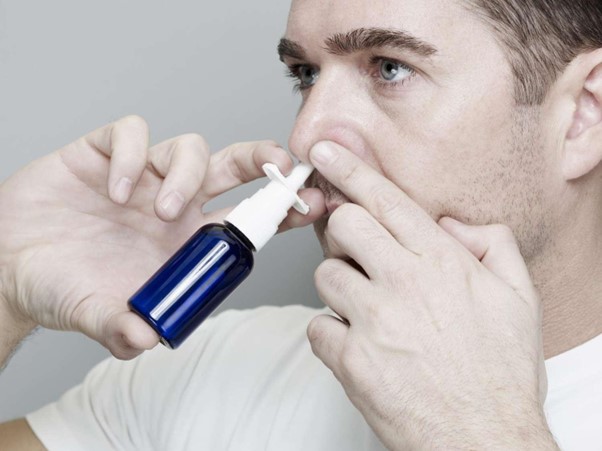
Guide to Effective Ear, Nose, and Throat Treatments

Guide to Effective Ear, Nose, and Throat Treatments

What to Expect From an ENT Exam: A Guide for Patients

Ear, nose, and throat (E.N.T) treatments are specialized procedures used to diagnose and treat a variety of conditions that affect the ears, nose, and throat.

These treatments can range from relatively simple surgical procedures or medications to highly advanced imaging techniques.

By working with an experienced and knowledgeable E.N.T. specialist, you can ensure that your treatment plan is tailored to your individual needs.

Common Causes of Ear, Nose, and Throat Problems

Ear, nose, and throat problems are often caused by infections such as the common cold or flu, allergies to pollens or other airborne particles, and sinusitis.

Other causes of E.N.T. issues can include structural problems such as a deviated septum or polyps, growths in the nasal passages, and tumors in the ears or throat.

In some cases, trauma to the head or neck can also cause ear, nose, and throat problems.

Diagnosing and Treating the Most Common Conditions

E.N.T. specialists use a variety of tests to diagnose E.N.T. problems, including physical examinations, imaging techniques such as X-rays and CT scans, blood testing, and even endoscopy procedures in some cases.

Once a diagnosis is made, treatment can range from lifestyle modifications and to surgery. Depending on the diagnosis and severity of the condition, your E.N.T. specialist will recommend a treatment plan that is best for you.

Potential Side Effects and Risks of Treatment Options

Antibiotics

Antibiotics are commonly prescribed for ear, nose, and throat infections to fight bacterial infections.

However, like all medications, antibiotics come with potential side effects, including, nausea, vomiting, diarrhea, and allergic reactions.

Furthermore, inappropriate use of antibiotics can lead to an increase in antibiotic-resistant bacteria.

Over-the-counter (OTC) remedies

OTC remedies like decongestants and painkillers can be an effective treatment option for mild ear, nose, and throat issues.

However, they can also cause unwanted side effects, such as dizziness, sleep disturbance, and dry mouth.

Nasal steroids

Nasal steroids are a common treatment option for allergic rhinitis (hay fever) and nasal polyps. Although nasal steroids can be highly effective, they can also lead to nasal dryness, nosebleeds, and headaches.

What to Expect From an ENT Exam - A Guide for Patients

Surgery

Surgery is a treatment option for severe or chronic ear, nose, and throat issues. However, all surgeries come with potential risks, including bleeding, infection, and damage to surrounding tissue or organs.

Radiofrequency Therapy

If you suffer from snoring or sleep apnea, radiofrequency therapy may be recommended. While this treatment can help, it can also lead to post-treatment problems, including dry or sore throat, nausea, and swelling.

Chemotherapy

Chemotherapy is typically recommended for advanced cases of throat cancer and can help shrink tumors. However, chemotherapy can have devastating side effects, including nausea, vomiting, hair loss, and fatigue.

Radiation therapy

Radiation therapy, like chemotherapy, is often prescribed for advanced throat cancer. However, this treatment can lead to hoarseness, dry mouth, mouth sores, and hair loss.

Immunotherapy

Immunotherapy is a relatively new treatment option for advanced cancers. It is designed to provoke the patient’s immune system to target and kill cancer cells. While this method is highly effective in many cases, it can also cause allergic reactions, fever, and chills.

Microdebrider-assisted turbinoplasty

Microdebrider-assisted turbinoplasty is a minimally invasive treatment option for nasal obstruction. However, this procedure can lead to adverse effects like nasal bleeding, scabbing, and congestion.

Laser-assisted uvulopalatoplasty

Laser-assisted uvulopalatoplasty (LAUP) is used to treat snoring and sleep apnea. While this procedure can help in many cases, it can also lead to pain, swelling, and bleeding.

The Latest Developments in Effective E.N.T Techniques

E.N.T. specialists are constantly researching and developing new techniques and treatments for ear, nose, and throat issues, allowing them to provide better results with fewer risks or side effects.

Some of these new techniques include minimally-invasive, robotic-assisted surgery and advanced imaging techniques for diagnosing complex conditions.

Noninvasive E.N.T Care Strategies for Prevention & Maintenance

In addition to treatments for existing ear, nose, and throat problems, many E.N.T. specialists also offer preventive and maintenance care to help keep your ears, nose, and throat healthy.

These strategies can include eating a balanced diet, avoiding exposure to potential irritants, quitting smoking, and getting regular check-ups with your E.N.T. specialist.

Noninvasive E.N.T Care Strategies for Prevention & Maintenance

FAQs about Ear, Nose & Throat Care

Q: How often should I get checked by an E.N.T. specialist?

A: Depending on your individual risk factors, your E.N.T. specialist may recommend that you have a yearly check-up or more frequent visits if necessary.

It is important to follow their recommendations and schedule regular appointments to keep your ears, nose, and throat healthy.

Q: What are the benefits of seeing a specialist for E.N.T care?

A: An experienced E.N.T. specialist can provide expert diagnosis and treatment for ear, nose, and throat conditions, which can result in fewer complications and improved results.

In addition, they can provide preventive care strategies to help you maintain optimal ear, nose, and throat health.

Q: Are there any risks associated with E.N.T treatments?

A: As with any type of medical treatment, there are potential risks or side effects associated with certain E.N.T. treatments such as surgery or medications.

Be sure to discuss these with your E.N.T. specialist before beginning any treatment plan.

Conclusion

By working closely with an experienced and knowledgeable E.N.T. specialist, you can ensure that your ear, nose, and throat care is tailored to your individual needs and get the best possible outcome from any treatments or preventive strategies recommended.

If you are experiencing any issues with your ears, nose, or throat, be sure to contact your E.N.T. specialist to schedule an appointment.

Learn more.

Obstructive Sleep Apnea: What You Need to Know About Causes and Treatment

Obstructive Sleep Apnea - What You Need to Know About Causes and Treatment

What is Obstructive Sleep Apnea? Understanding the Causes and Solutions

Obstructive Sleep Apnea (OSA) is a common yet serious sleep disorder marked by repeated interruptions in breathing during sleep. This occurs when the upper airways in the nose or throat collapse, causing blocked airflow and disrupted breathing. Each episode of blockage lowers oxygen levels in the body, triggering stress on the heart and leading to frequent awakenings during the night.

OSA affects an estimated 15% of the population, with middle-aged, overweight men being particularly at risk. Factors such as a large tongue, small jaw, or enlarged tonsils can worsen the condition. Left untreated, OSA increases the risk of heart disease, stroke, and other health complications, highlighting the importance of early diagnosis and treatment.

Causes of Obstructive Sleep Apnea

Causes of Obstructive Sleep Apnea

Anatomical Factors

Obstructive Sleep Apnea (OSA) often arises from anatomical issues that obstruct airflow during sleep. Individuals with a small jaw, enlarged tonsils, or a large tongue are more likely to experience airway blockages. These physical traits make it easier for the upper airways to collapse while sleeping, leading to disrupted breathing.

Lifestyle and Health Factors

Excess weight, especially fat deposits in the neck, increases the risk of OSA. Smoking, alcohol consumption, and sedative use further relax airway muscles, worsening symptoms. Maintaining a healthy lifestyle is crucial in managing OSA.

Other Health Conditions

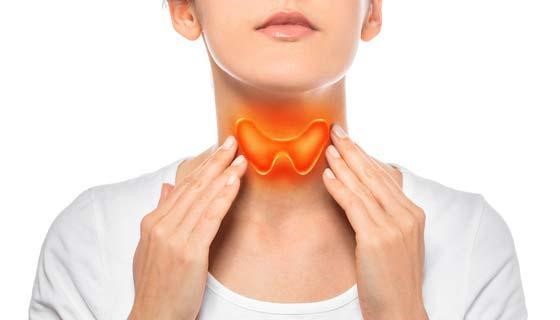
Certain health conditions, like hypothyroidism, can also increase the likelihood of developing OSA. Hormonal imbalances can lead to airway relaxation, further contributing to this sleep disorder.

Symptoms of Obstructive Sleep Apnea

Primary Symptoms

The most noticeable signs of Obstructive Sleep Apnea (OSA) include loud snoring, gasping, or choking during sleep. These episodes occur when the airway becomes blocked, often leading to frequent awakenings and disrupted sleep patterns. If left untreated, these interruptions can severely impact your overall sleep quality.

Secondary Symptoms

OSA doesn’t just affect your nights — it can cause significant daytime issues too. Common symptoms include daytime fatigue, excessive sleepiness, and cognitive difficulties such as trouble concentrating. Many people with OSA also experience morning headaches, which are linked to poor oxygen supply during sleep.

Complications if Untreated

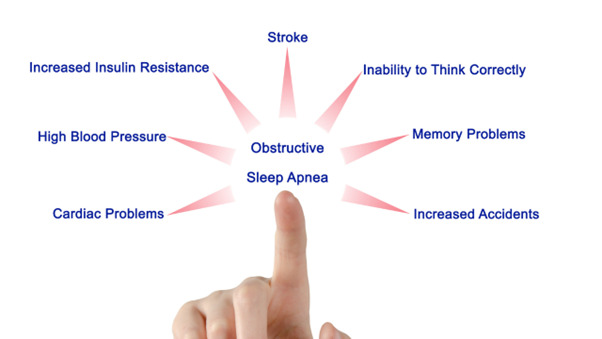
If OSA remains untreated, it can increase the risk of serious health complications, such as high blood pressure, heart disease, and stroke. These risks are due to the strain placed on the heart as a result of reduced oxygen levels during repeated breathing disruptions.

Diagnosis of Obstructive Sleep Apnea

Lifestyle and Health Factors

Polysomnography (Sleep Study)

Polysomnography, or a sleep study, is the gold standard for diagnosing Obstructive Sleep Apnea (OSA). This overnight test monitors your breathing, oxygen levels, heart rate, and other vital signs while you sleep. By recording apneic (complete pauses in breathing) and hypopneic (partial reductions in airflow) episodes, doctors can determine the severity of OSA and tailor a treatment plan accordingly.

Physical Examination

In addition to a sleep study, a physical examination helps identify structural causes of OSA. Using a nasendoscope, a flexible camera, ENT specialists examine areas prone to obstruction, such as the nose, soft palate, tonsils, or the base of the tongue. This examination can guide decisions regarding potential surgical interventions.

Treatment Options for Obstructive Sleep Apnea

Diagnosis of Obstructive Sleep Apnea

Conservative Treatments

Lifestyle Changes

Conservative treatments for Obstructive Sleep Apnea (OSA) begin with lifestyle changes. Weight loss can significantly reduce airway obstructions, while sleep hygiene improvements, such as sleeping on your side and avoiding alcohol before bed, help prevent airway collapse during sleep. Positional therapy, like using pillows to keep you from sleeping on your back, can also ease symptoms.

Positive Airway Pressure (PAP) Devices

The most effective treatment for OSA is CPAP (Continuous Positive Airway Pressure), which uses air pressure to keep airways open during sleep. Adaptive ventilation devices, designed for more severe cases, adjust pressure automatically to ensure consistent airflow and are highly effective in reducing OSA events.

Oral Devices

Mandibular Advancement Devices (MAD) reposition the lower jaw during sleep, preventing airway obstruction. This option is suitable for patients with mild to moderate OSA.

Surgical Interventions

In more severe cases, surgical treatments may be considered. Procedures like somnoplasty use radiofrequency to reduce excess tissue in the airway. Tonsillectomy is particularly useful in children with enlarged tonsils, while Uvulopalatopharyngoplasty (UPPP) removes soft tissue to widen the airway. Inspire Upper Airway Stimulation involves a nerve stimulator to keep the airway open during sleep, offering relief for certain patients.

Post-Treatment Considerations and Outcomes

Recovery and Adaptation

After treatment for Obstructive Sleep Apnea (OSA), most patients experience noticeable improvements relatively quickly, especially those using CPAP devices. Relief from symptoms like snoring and interrupted sleep can begin almost immediately, though full recovery may take a few months of consistent treatment.

Long-Term Management

Sustaining improvement depends on long-term management, particularly regular use of prescribed devices like CPAP. Consistency is crucial, as discontinuing treatment may result in the return of symptoms and associated risks. Maintaining healthy lifestyle changes is equally important for ongoing success.

Complications and Side Effects

While effective, CPAP devices may cause discomfort with mask fit, and surgical interventions can have side effects, such as swelling or pain. Most issues are manageable, and healthcare providers can help adjust treatments to ensure better comfort and outcomes.

Conclusion

If you suspect you may have Obstructive Sleep Apnea (OSA), it’s essential to seek medical attention from an ENT specialist. Early diagnosis and treatment can prevent serious long-term complications such as heart disease, stroke, and other health issues. Don’t wait—addressing OSA early can dramatically improve your quality of life.

Treatment for OSA is not a one-size-fits-all approach. Visit https://earnosethroat.com.sg/sleep-apnea-treatment-singapore-sleep-clinic/ today to set up an appointment with experienced ENT doctor to tailor a treatment plan based on your specific causes, symptoms, and severity.

Whether through lifestyle changes, CPAP therapy, or surgery, your journey to better sleep and health should be guided by an ENT specialist for the best outcomes.

Remember, consistent treatment and follow-up are key to managing OSA effectively. With the right care, you can enjoy restful nights and avoid the potential risks associated with untreated sleep apnea. Prioritizing your sleep health is an important step toward a healthier future.

Understanding the Causes and Treatments of Voice Disorders

HGBH ENT Clinic - Top ENT Specialists For Sleep Apnea Treatment

Voice disorders can be caused by a variety of factors, ranging from physical trauma to vocal misuse.

Depending on the cause, there are several possible treatments available. In this blog post, we’ll explore the most common causes and treatments of voice disorders.

Vocal Trauma

Vocal trauma is often caused by overuse or misuse of the voice such as yelling or straining. Treatment usually involves rest, avoidance of speaking loudly, and/or speech therapy.

Infections

Infections such as laryngitis can cause inflammation in the throat area which can lead to hoarseness and difficulty speaking.

Antibiotics are usually prescribed to treat infections that cause voice disorders, although sometimes additional treatments may be necessary depending on the severity of the infection.

Acid Reflux

When acid reflux occurs, stomach acid travels up into the throat and irritates it causing a burning sensation or hoarseness in the voice.

Treatment typically includes antacids or medications that reduce stomach acid production, lifestyle changes such as avoiding spicy foods or caffeine, and elevating your head when sleeping to avoid contact between stomach acid and throat tissue.

Allergies

Seasonal allergies can cause swelling in the nose and throat area resulting in difficulty speaking clearly or producing sound properly (hoarseness).

Allergy medications or nasal sprays may be prescribed to help treat allergies-induced voice problems while avoiding allergens is also recommended as a preventative measure.

Understanding the Causes and Treatments of Voice Disorders

Vocal Nodules/Polyps

These are small growths on vocal cords caused by vocal abuse that can make it difficult for sound to pass through them normally (hoarseness).

Surgery is usually required to remove these nodules/polyps however some cases may be treated with speech therapy instead if they are not too severe.

Vocal Cord Paralysis

Vocal cord paralysis is a condition in which one or both of the vocal cords become paralyzed due to nerve damage, resulting in reduced vocal volume and range.

Treatment may include surgery, voice therapy, and medications to reduce inflammation.

Thyroid Conditions

Abnormalities of the thyroid gland such as hypothyroidism or hyperthyroidism can affect the vocal cords, causing changes in pitch or volume.

Treatment may involve medications to correct any hormonal imbalances, voice therapy, and lifestyle modifications.

Congenital Disorders

Congenital Disorders

Congenital voice disorders are usually caused by structural abnormalities or genetic conditions that affect the throat and vocal cords, such as laryngomalacia or cleft lip or palate.

Treatments for these conditions focus on addressing any physical issues and may include surgery, speech therapy, and voice therapy.

Abnormalities in Throat Structures

Certain birth defects or growths within throat structures can obstruct airways which leads to difficulty speaking (hoarseness).

Surgery may be necessary to correct these abnormalities however some mild cases may only require speech therapy instead of surgery depending on their severity level and individual circumstances.

Neurological Disorders

Certain neurological conditions such as Parkinson’s disease can affect vocal muscles making it difficult for them to produce sound properly (hoarseness).

Treatment typically requires speech therapy however other therapies such as physical therapy may also be recommended depending on individual needs and circumstances.

Habitual Misuse of Voice

Habits such as smoking, excessive alcohol consumption, loud talking, shouting, etc .can damage vocal cords leading to hoarseness.

Treatment includes quitting smoking, avoiding alcohol consumption & excessive loud talking, etc. Speech therapists might also recommend certain exercises & techniques like humming & lip trills, etc, to help strengthen weak vocal muscles.

Chronic Coughing

A chronic cough can lead to strained vocal cords due to overuse, resulting in hoarseness. Treatments include avoiding known irritants that trigger coughing fits, taking medication prescribed by a doctor & using home remedies like honey tea & steam inhalation, etc. Regular visits with a doctor might also be necessary if symptoms don’t improve with usual treatments.

Chronic Coughing

Tumors

Tumors on either side of vocal cords can affect their mobility leading to difficulty speaking (hoarse voice).

Treatment depends on the size & location of the tumor but could involve radiation therapy, chemotherapy, or surgery if needed.

These are just some of the most common causes and treatments for voice disorders. If you’re experiencing changes in your voice, you must consult a medical professional for a thorough diagnosis and treatment plan.

A doctor or speech-language pathologist can evaluate your symptoms, rule out any possible medical conditions that may be contributing to the problem, and recommend an appropriate course of action for you.

Conclusion

Voice disorders come in many shapes & sizes but thankfully there are various treatments available depending on their causes & severity levels.

It’s important for those suffering from any type of voice disorder to seek medical attention promptly as early diagnosis is key for successful treatment & prevention of further complications arising from untreated conditions.

Learn more.

When to Seek the Expertise of an Ear Specialist for Hearing Concerns

HGBH ENT Clinic - Top ENT Specialists For Sleep Apnea Treatment

Hearing loss can significantly impact the quality of life, affecting communication, social interactions, and overall well-being. While some hearing issues may be temporary or minor, others require the expertise of an Ear, Nose, and Throat (ENT) specialist. 

Knowing when to seek the help of an ENT specialist for hearing concerns can make a difference in preventing further damage and improving life quality. This article will explore the indicators that necessitate a visit to an ENT specialist and the solutions they can offer.

Understanding Hearing Loss

Hearing loss can manifest in various forms – from difficulty understanding conversations in noisy environments to the complete inability to hear sounds. The causes are equally diverse, including but not limited to, aging, noise exposure, infections, genetic factors, and structural problems within the ear. Hearing loss can be categorized as:

Conductive Hearing Loss: Where the problem lies in the outer or middle ear.

Sensorineural Hearing Loss: Resulting from damage to the inner ear or the auditory nerve.

Mixed Hearing Loss: A combination of conductive and sensorineural issues.

Common Symptoms Indicating Hearing Issues:

  • Muffled hearing or difficulty understanding speech.
  • Frequently asking others to speak more slowly, clearly, or loudly.
  • Needing to turn up the volume on television or radio.
  • Withdrawal from conversations or avoidance of some social settings.
  • Ringing, buzzing, or hissing noises in the ears, are known as tinnitus.
  • Vertigo or balance issues may indicate an inner ear problem.

When to Consult an ENT Specialist

Persistent Symptoms

If you experience persistent hearing loss or any of the symptoms mentioned above for more than a week, it’s crucial to consult an ENT specialist. Early diagnosis can lead to more effective treatment.

When to Consult an ENT Specialist

Sudden Hearing Loss

Sudden hearing loss in one or both ears may be a medical emergency and should be evaluated by an ENT specialist immediately. The sooner treatment begins, the better the chances of recovery.

After an Upper Respiratory Infection

Sometimes, a severe cold or flu can lead to fluid build-up or ear infections that affect hearing. If hearing issues persist after the infection clears, it’s advisable to seek an ENT consultation.

Post Traumatic Hearing Loss

If you’ve suffered head trauma or sudden changes in air pressure (barotrauma), and notice a change in your hearing, an ENT specialist can assess any damage to your ear structures.

Accompanying Symptoms

Hearing loss associated with pain, discharge from the ear, dizziness, or tinnitus should be evaluated by an ENT specialist to rule out infections, growths, or other serious conditions.

Hearing Loss Impacting Daily Life

When hearing loss begins to affect your ability to carry out daily activities, and engage in conversations, or if it’s impacting your work, it’s time to see an ENT specialist.

Hearing Loss Impacting Daily Life

Changes in Hearing

Gradual hearing loss that becomes more pronounced over time is a clear indicator to seek the expertise of an ENT.

What Can an ENT Specialist Do for You?

An ENT specialist is trained to diagnose, manage, and treat disorders of the ear, nose, and throat, including hearing issues. Here’s how they can help:

Comprehensive Auditory Assessments

ENT specialists can conduct or arrange for comprehensive hearing tests to determine the type and extent of hearing loss.

Medical Evaluation

They can evaluate whether there is a medical or structural cause for the hearing loss, such as earwax buildup, infection, or eardrum perforation, and provide appropriate treatment.

Hearing Aids and Assistive Devices

For those who may benefit from hearing aids, ENT specialists can recommend devices and make referrals to audiologists for fitting and fine-tuning.

Hearing Aids and Assistive Devices

Surgical Options

If the hearing loss is due to a structural problem, such as otosclerosis or damage from chronic ear infections, an ENT specialist can determine if surgical intervention is possible.

Management of Ear Diseases

Conditions such as Meniere’s disease, acoustic neuromas, or chronic ear infections require specialized management, which an ENT is qualified to provide.

Tinnitus Evaluation and Management

ENT specialists can offer solutions for managing tinnitus, which often accompanies hearing loss.

Rehabilitation and Therapy

They can suggest rehabilitation programs and therapies to improve hearing and adapt to hearing loss.

Follow-Up Care

ENT specialists will provide the necessary follow-up care, monitoring hearing over time and adjusting treatment plans as needed.

Conclusion

Hearing concerns should never be ignored, and while primary care physicians can handle basic ear-related issues, an ENT specialist has the specific expertise needed for more complex problems. 

If you’re experiencing any form of hearing loss or related symptoms, consulting with an ENT specialist can provide you with a clear diagnosis, treatment options, and the best possible outcome for your condition. 

Remember, hearing is a vital part of connecting with the world around you, and taking the right steps toward addressing any issues can enhance your quality of life. Don’t hesitate to contact Ear Clinic Singapore to schedule an appointment with an experienced ear doctor if you have any concerns regarding your hearing health.

A New Healthy Beginning

Thank you for visiting us! We’re excited to share our new and improved website with you. We’ve been working hard to create a space that offers quality content and insights from experts in the field. Our goal is to make our site more interactive and user-friendly, so you can get the most out of your visit.

We encourage you to take a look around and explore all the new features. Bookmark us or sign up for alerts so you can be one of the first to experience the new site when it goes live. In the meantime, please bear with us as we continue to make changes. Thank you for your patience and support!

We’ve added tons of great features like tips & resources from health and beauty experts which should make finding what’s needed easy even if one never used these types before. Our goal with the new site is to make everything as user-friendly as possible while still providing enough valuable content to keep everyone coming back for more.

Thanks for your patience as we put the finishing touches on everything. In the meantime, feel free to poke around and explore the different sections. We can’t wait to hear what you think of the new site!